Trade-In or Sell Separately? Compare the Whole Deal
A strong trade allowance is only one part of replacing a vehicle. Compare written purchase prices, separate-sale offers, any loan payoff, and timing before choosing your route.
If you are replacing a vehicle, trading it in and selling it separately are two options worth comparing. A trade-in combines the current-vehicle and replacement-vehicle transactions. A separate sale lets you evaluate the sale on its own, but also means planning when you will sell and how you will make the replacement purchase.
Neither option automatically produces the better result. A larger trade allowance is not the whole deal, and a private listing's asking price is not a completed sale. Start with actual written offers, then compare what you would pay for the replacement vehicle under each path.
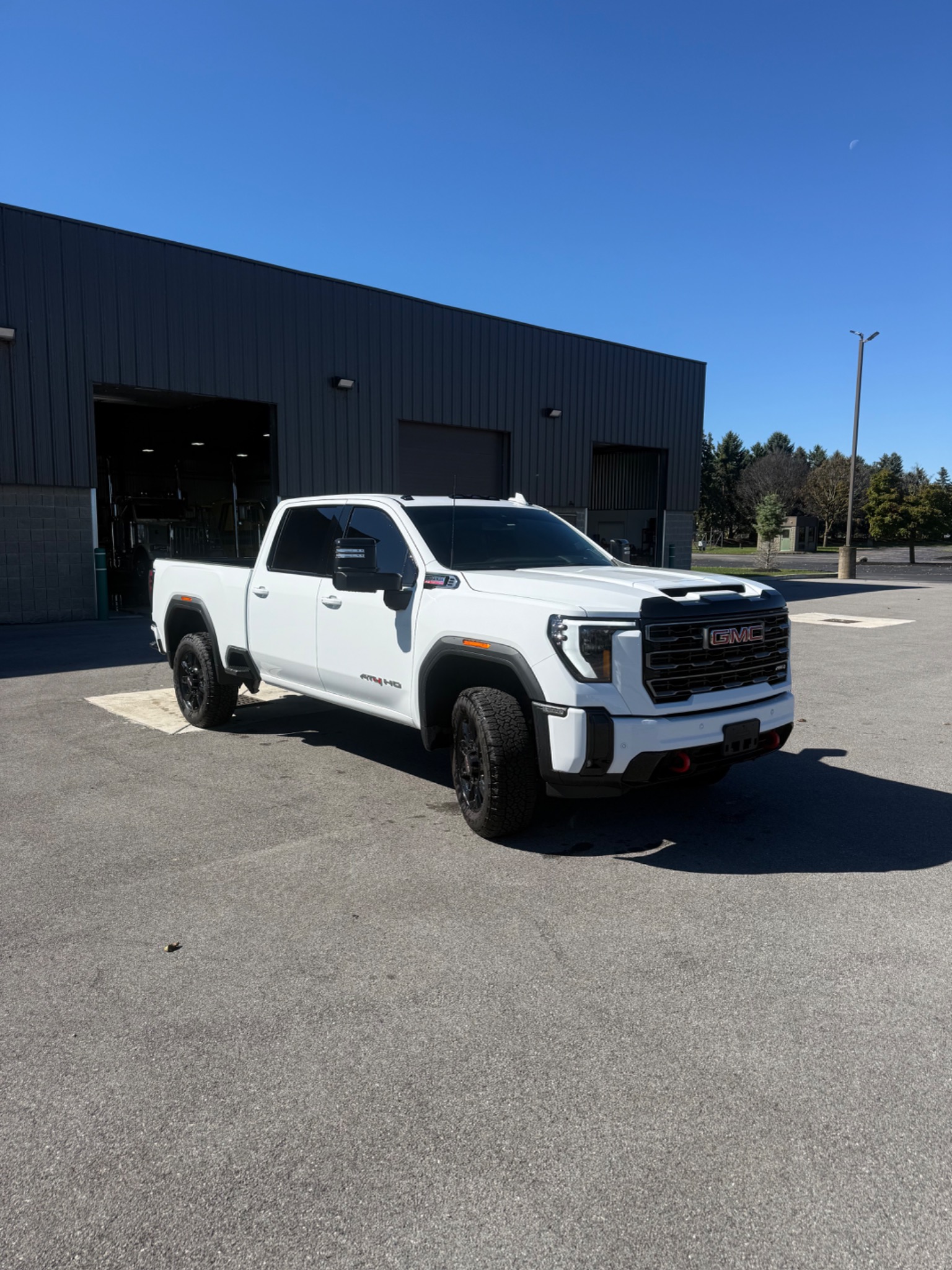
The owner-supplied photograph accompanying this article shows a previously sold 2026 GMC Sierra 3500HD AT4 from RPM's past-sales archive. It is a completed-sale example, not a vehicle being offered today, and this article does not describe how that particular transaction was structured.
Separate the replacement price from the trade allowance
First, identify the price of the vehicle you want to buy. Ask for its written out-the-door quote, with the vehicle price, taxes, fees, and any proposed optional products shown separately. The Federal Trade Commission describes the out-the-door price as the total before financing, including taxes and fees, in its car financing and purchase guidance.
The FTC also recommends negotiating the purchase price before discussing a trade-in. Its reason is practical: a higher selling price could offset a generous trade allowance. Use that as a comparison principle, not an assumption about a particular dealer. Ask for enough detail to see both numbers clearly.
When comparing a trade-in with a separate sale, confirm the replacement purchase quote for each option. Do not assume the same advertised price, discount, or proposed extras will apply to both. If the details differ, record the differences rather than comparing only what someone offers for your current vehicle.
Compare offers that are actually comparable
The Consumer Financial Protection Bureau recommends comparing trade-in values offered by different dealers with selling directly to another person in its guidance on negotiating a vehicle purchase. A separate sale can also mean asking a dealership to buy your vehicle independently of your next purchase.
For each offer, ask whether it is final or subject to inspection, when it expires, and whether any deductions or charges affect what you would receive. Give each buyer the same mileage, condition details, ownership information, and known repair needs. That makes the comparison more useful and avoids building a plan around incomplete information.
Keep estimates, asking prices, and actual offers separate. An online estimate can help you prepare questions, but it should not be treated as money you have already secured. Likewise, a higher proposed sale price needs to be weighed alongside its conditions and the time needed to complete the sale.
Keep any loan payoff on its own line
If your current vehicle has a loan, do not confuse the gross offer with the amount left after paying the lender. Record the current payoff separately. If it exceeds the trade allowance, ask how that difference appears in the written replacement deal. The FTC and CFPB explain that carrying an old balance into a new loan can increase borrowing and costs; agreeing to handle payoff does not make the balance disappear.
This article is about comparing the transaction, not choosing how to finance that difference. For the documents and questions to gather first, see our selling-a-car-with-a-loan checklist. Make sure you understand the proposed settlement before relying on a net figure.
Do not let the monthly payment hide the details
If financing is involved, compare more than the payment. Review the amount financed, annual percentage rate—usually called APR—loan term, finance charge, and total payments. The CFPB explains that extending a loan can reduce the monthly payment while increasing interest paid over time. A lower payment therefore does not necessarily mean a lower overall cost.
Ask which optional products are included and what each costs. The FTC's used-car buying guidance recommends getting add-on prices and what they provide in writing. If those costs are financed, they increase the amount borrowed. Compare the same proposed products under each option, rather than allowing different packages to make two deals look equivalent.
Read the full figures before signing. Keep the purchase cost before financing distinct from the financing disclosures so you can understand both. A trade allowance, down payment, or quoted monthly payment alone cannot show every part of the transaction.
Plan the handover before choosing your route
A separate sale may require you to coordinate two transactions. Decide whether you can be without your current vehicle, how you will manage that gap, and whether your replacement plans are sufficiently settled. Ask each party about inspection, paperwork, payment, and handover timing instead of assuming they happen on the same day.
A combined trade-in and purchase still deserves those questions. Confirm the required documents and when each vehicle changes hands. If an offer expires before your next vehicle is ready, clarify the position before making commitments. Convenience matters, but compare it alongside the written financial details rather than using it as a substitute for them.
Discuss your sale and your next vehicle with RPM
RPM Automotive Advisors is an independently owned automotive dealership based in Buffalo, New York, serving customers nationwide. We buy, sell, and find all types of vehicles, from everyday drivers and family vehicles to performance cars and specialty trucks.
Use our Sell Your Vehicle page to inquire about selling, or contact RPM with your vehicle details and replacement plans. If you are looking for something specific, request personalized vehicle finding. Bring the whole picture—not just a target trade number—so the conversation can focus on what fits your needs. Everyday to Exotic. We Find. We Buy. We Sell.
Ready to Take the Next Step?
We're Here to Help.
Whether you're buying, selling, or just have questions — our team is available to help you navigate your next automotive decision.